

In twin-screw extrusion, screw elements are often considered one of the most critical components affecting production stability and service life. However, when selecting replacement screws, many companies still evaluate performance mainly by material grade, such as choosing a higher hardness or more advanced steel type.
In reality, screw lifetime is not determined by material grade alone.
The same material can deliver completely different service performance under different processing conditions. For example, standard polypropylene compounding and glass fiber reinforced polypropylene processing may use the same base polymer, but they create completely different wear environments. Similarly, unfilled engineering plastics and highly reinforced grades such as PA GF30 or PA GF50 place very different demands on screw materials.
The actual performance of a screw element depends on the complete processing environment, including:
Polymer system and processing temperature;
Fillers, reinforcements and functional additives;
Wear and corrosion risks;
Torque level and mechanical loading;
Production continuity and downtime impact.
Therefore, scientific screw material selection is not about choosing the most expensive material. It is about selecting the material that best matches the actual processing conditions.
In modern plastic compounding, the base polymer represents only one part of the processing environment.
Glass fiber, carbon fiber, mineral fillers, flame retardants, pigments and other functional additives can significantly change the wear and corrosion conditions inside the extruder.
For example:
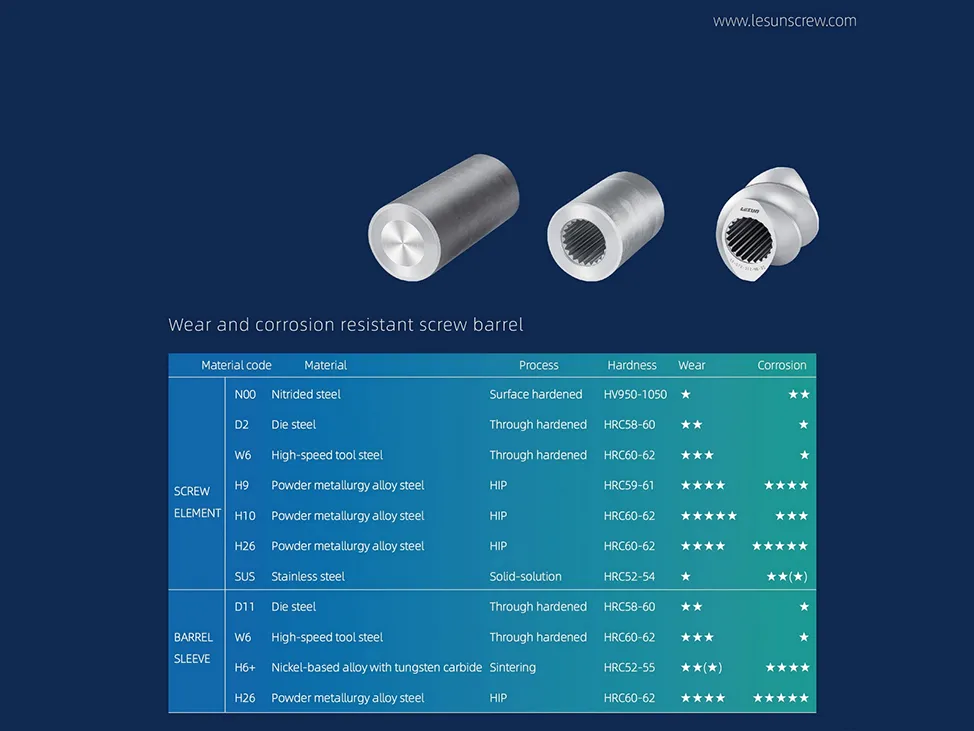
In general polyolefin processing, screw elements mainly experience conventional mechanical wear, and nitrided steel can often provide a reliable and cost-effective solution.
However, in highly filled masterbatch production, glass fiber reinforced compounds or high-performance engineering plastics, large amounts of hard particles continuously interact with the screw surface. Under these conditions, higher-performance materials such as high-speed tool steel or powder metallurgical materials may provide significantly longer service life.
Selecting screw materials only based on polymer type can easily result in either insufficient performance or unnecessary material cost.
Different processing environments create different requirements for screw materials.
Applications with severe abrasive wear require excellent wear resistance and dimensional stability.
High-temperature processing requires materials that can maintain hardness and structural stability during long-term operation.
Processing systems involving aggressive additives or chemically active materials require improved corrosion resistance.
High-torque continuous production requires materials that combine wear resistance with sufficient toughness.
Therefore, screw material selection is fundamentally an engineering matching process:
Understand the processing environment → Identify the dominant failure mechanism → Select the appropriate material system → Evaluate long-term production value.
Many companies focus mainly on the purchase price of screw elements. However, in continuous production, the real cost is determined by the entire service lifecycle.
The initial purchase price represents only a small part of the total impact. Wear-related issues may lead to:
Reduced production efficiency;
Process instability and quality fluctuations;
More frequent maintenance;
Unexpected production downtime.
For high-value materials, continuous production lines and demanding processing environments, upgrading to a higher-performance screw material may not increase overall cost. Instead, it can reduce production risks and improve long-term operating efficiency.
This is why more manufacturers are evaluating screw materials based on Total Cost of Ownership (TCO) rather than initial purchase price alone.
To help engineers and technical teams better understand screw material selection, LESUN has developed the Screw Material Selection Guide for Twin-Screw Extruders.
This guide explains screw material selection from an application-oriented perspective, covering:
Material requirements for different plastic processing environments;
Key failure mechanisms including wear, corrosion, temperature and fatigue;
Application characteristics of nitrided steel, high-speed tool steel and powder metallurgical materials;
When screw material upgrades are necessary;
How to evaluate material value from a Total Cost of Ownership perspective.
Whether you are optimizing an existing production line or developing new material formulations, this guide provides a practical framework for selecting screw materials based on actual processing conditions.
Download the complete Screw Material Selection Guide and learn how to select the right screw material for your extrusion applications.
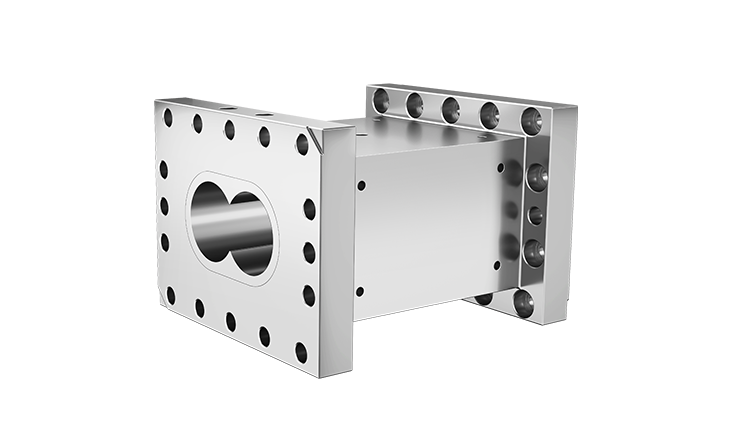
Fully enclosed barrel ensuring stable melting and pressure build-up under high fill and controlled processing conditions.
Best suited for:
Melting sections
Pressure build-up zones
Stable conveying conditions
Transition elements are designed to connect different screw element geometries while minimizing dead zones and material retention.
Best suited for:
Transition between single and double flight elements
Connection between SK and standard conveying elements
Geometry change zones within complex screw configurations
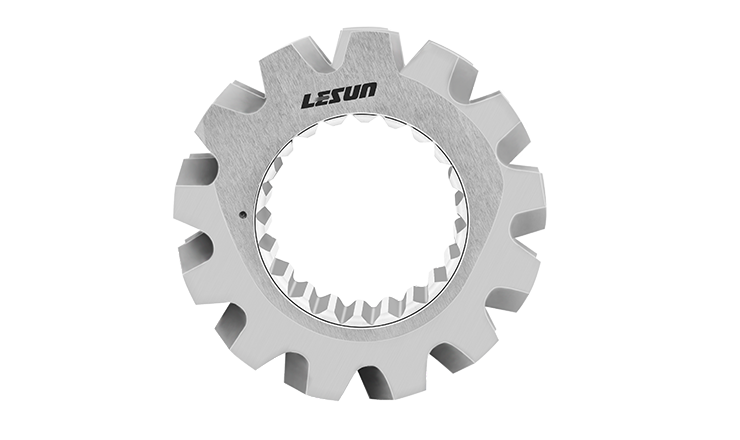
ZME elements combine reverse conveying structure with forward teeth, creating intensive cutting and recombination of melt flow.
Best suited for:
High mixing intensity applications
Difficult-to-disperse materials
High-performance compounding
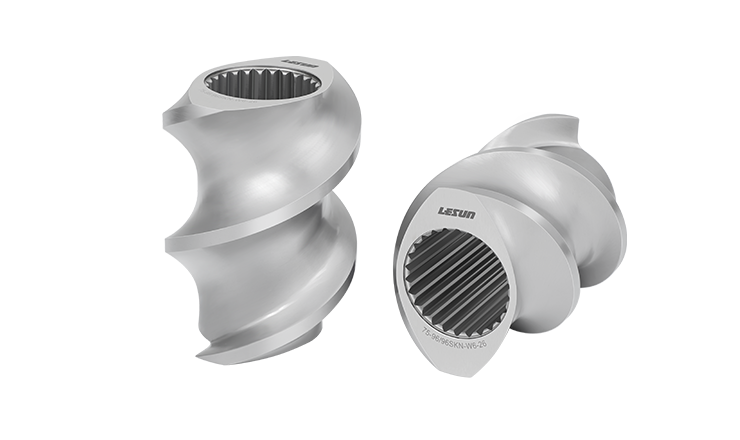
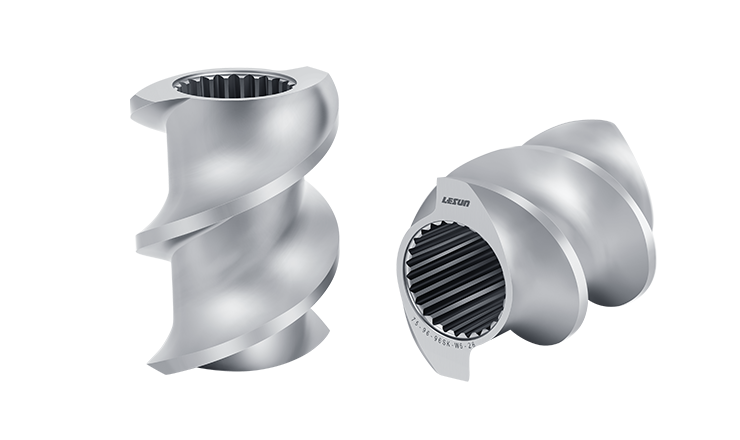
SSK conveying elements combine the strong conveying ability of single flight elements with increased free volume.
Best suited for:
Difficult-to-feed materials
Low-density powders and fillers
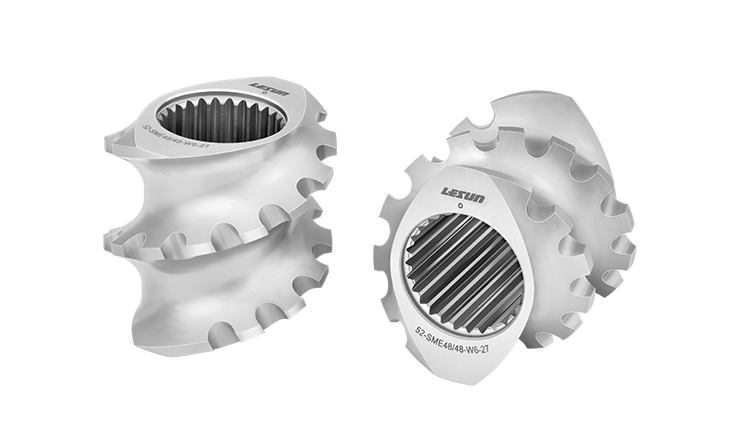
SME elements introduce shallow reverse grooves on conveying flights, generating controlled melt backflow and improving distributive mixing.
Best suited for:
Melt stage mixing
General distributive mixing
Applications requiring good self-cleaning
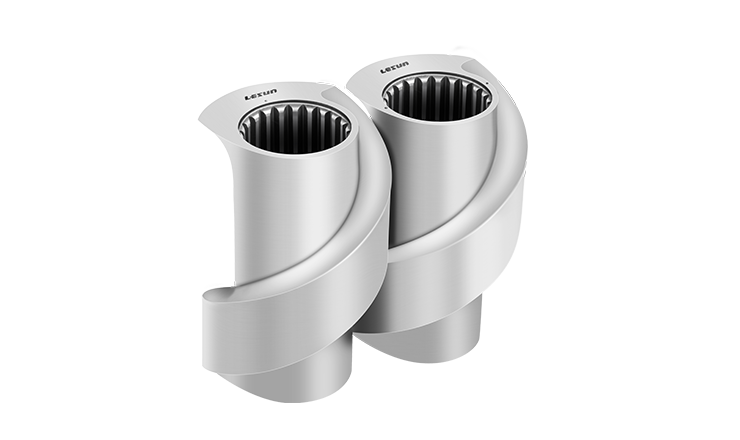
SK conveying elements provide approximately 15% higher free volume than standard conveying elements and are particularly suitable for low bulk density materials.
Best suited for:
Feeding zones
Side feeding
Low bulk density materials

 Knowledge >
 Product Catalog Download >
 Who are we? >
To make it more convenient for you to obtain product quotations, please check and confirm the following information in the box below.