

The feed industry represents a classic application of twin-screw extrusion technology for large-scale, cost-efficient, continuous industrial production. Its core requirements focus on achieving extremely high equipment uptime (OEE), minimal maintenance cost per ton of material, and broad flexibility in formulation adaptability under severe wear and continuous impact conditions. This demands that core components possess deep expertise in extreme wear-resistant technology, heavy-duty mechanical design, and modular engineering for process versatility.
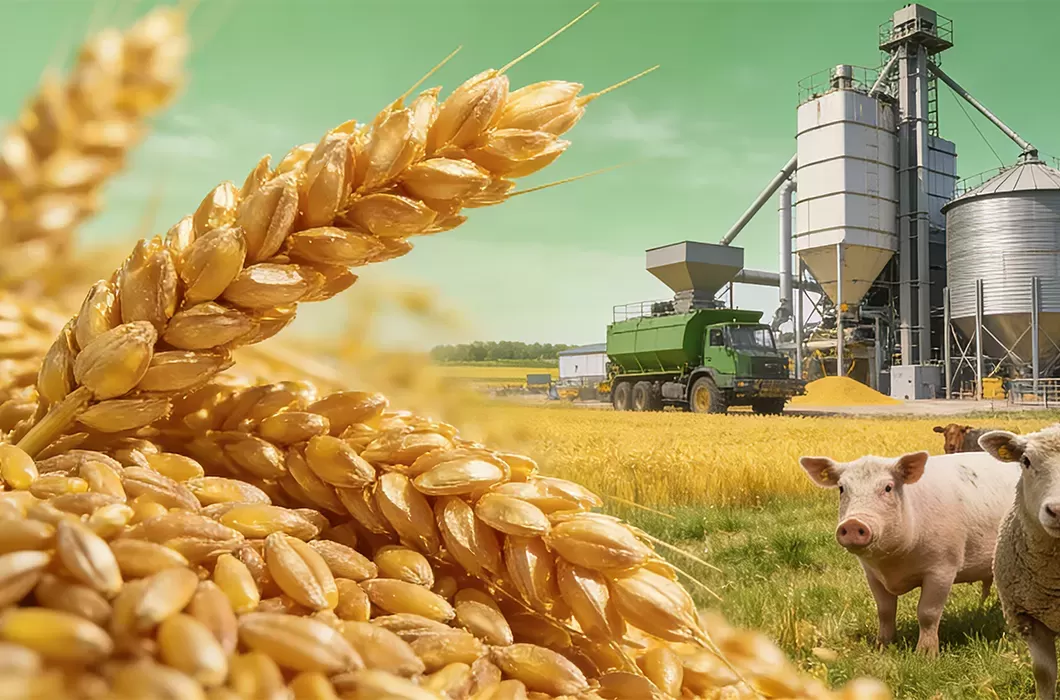
The core requirements for twin-screw extrusion in the feed industry focus on achieving efficient, stable, and highly adaptable large-scale continuous production. This industryrevolves around processing diverse raw materials—such as grains, protein powders, vitamin premixes, and fish meal—through high-temperature, high-pressure, and high-shear extrusion to accomplish starch gelatinization, protein denaturation, sterilization, and cooking. The final product is pelletized feed tailored to meet the nutritional and physical property requirements of different animals, including aquaculture species, pets, and livestock (e.g., floating or sinking properties, water resistance). The primary process challenges involve handling complex formulations with widely varying raw material properties (such as fat content and moisture), high abrasiveness, and the need to minimize production cost per ton while maximizing equipment stability.
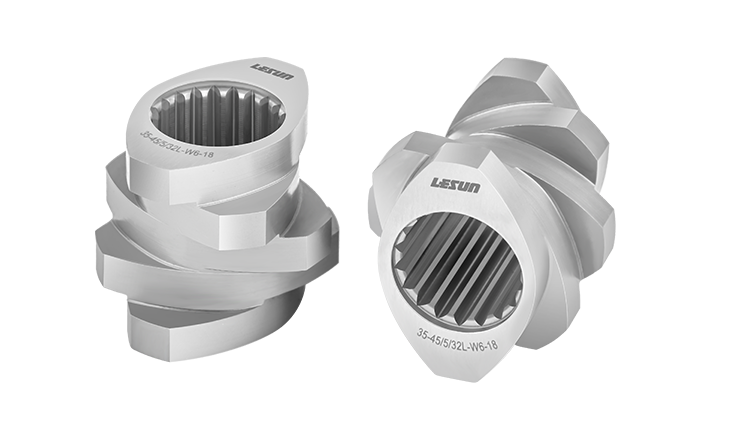
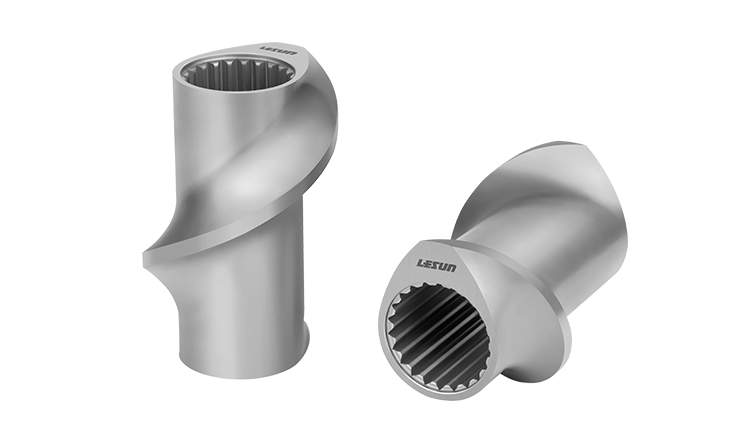
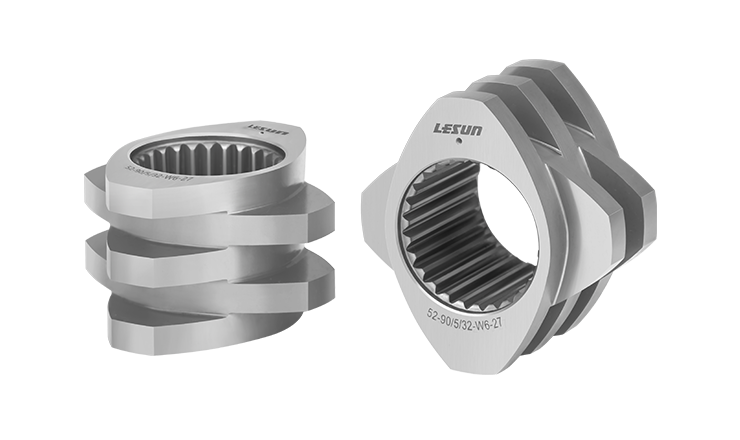
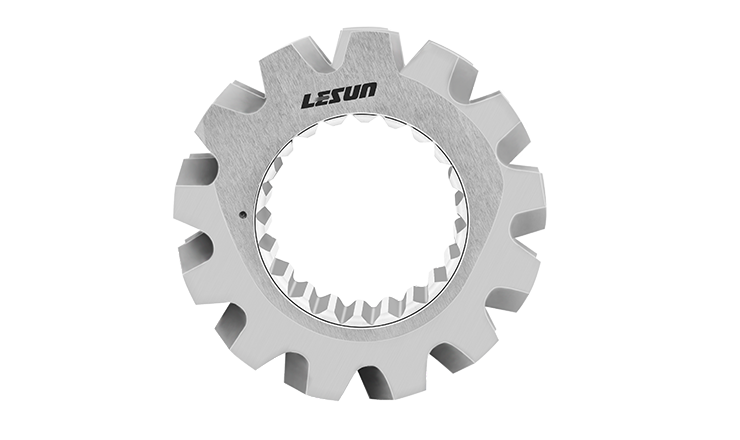
Screw element design is centered on withstanding high wear and handling complex formulations. Minerals, fibers, and impurities in feed raw materials are highly abrasive, so screw elements are manufactured from extremely wear-resistant materials, such as tungsten carbide coatings or solid powder metallurgy alloys. Their configurations enhance conveying and high-shear kneading capabilities, ensuring thorough gelatinization of high-starch ingredients and uniform blending of fats and liquid additives. To accommodate the different process requirements for expanded floating feed and high-density sinking feed, screw configurations offer a high degree of modular flexibility, enabling rapid adjustment of shear-to-conveying length ratios to suit varying degrees of cooking and production capacity.
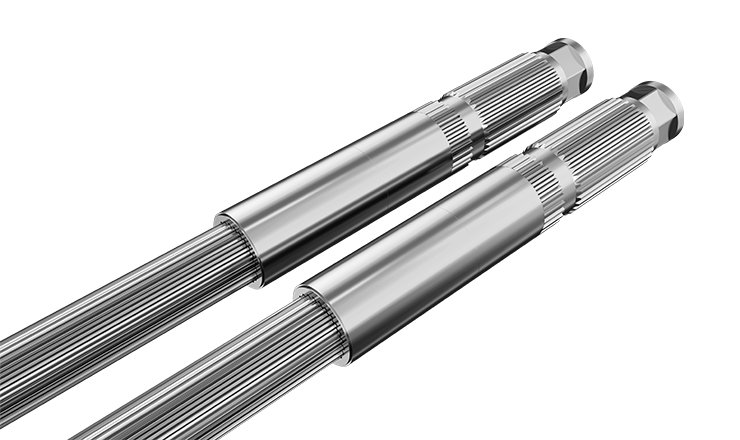
The screw shaft is critical for enduring extreme operational loads. Feed extruders operate continuously under high torque, high speed, and high throughput, demanding that the screw shaft exhibit exceptional torsional strength and fatigue resistance to withstand impact loads caused by material fluctuations. Its design ensures long-term dynamic balance under extreme loading conditions, preventing vibration-induced bearing wear and drive system failures. Additionally, the material selection and heat treatment processes provide structural rigidity under high temperature and high-pressure operation, forming the foundation for stable annual production of tens of thousands of tons.
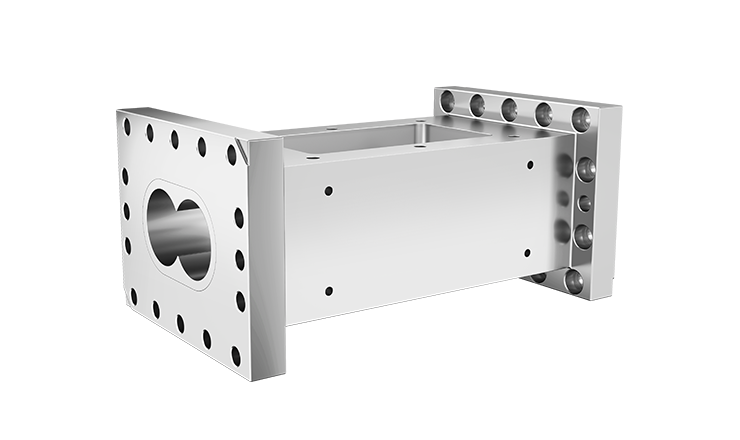
The barrel functions as a high-strength "cooking and shaping reactor" and must combine wear resistance, pressure resistance, and precise temperature control. The barrel liner is constructed from heavy-duty bimetallic wear-resistant alloys to withstand abrasive wear throughout the process. Multi-zone independent temperature control is critical, delivering precise temperature gradients from the feeding section to the die to optimize starch gelatinization and protein texturization. To handle high-fat or liquid additive formulations, the barrel is equipped with multiple liquid injection ports featuring reliable sealing. Moreover, for specialized aquaculture feed processes, the barrel may integrate high-pressure venting or vacuum degassing sections to remove off-flavors and increase product density.
Reverse kneading elements introduce backflow and pressure build-up, increasing residence time and enhancing mixing intensity.
Best suited for:
Before venting zones
Degassing preparation
High mixing demand sections
Primary feeding barrel introducing raw materials into the extruder under controlled fill and stable conveying conditions.
Best suited for:
Main material feeding
Pellet and powder input
Stable process start
Single flight conveying elements provide higher conveying efficiency than standard double flight elements. Their wider flight design reduces leakage flow and increases pressure-building capability.
Best suited for:
Feeding sections
Extrusion zones
Applications requiring strong conveying force
Neutral kneading elements provide strong mixing with minimal conveying effect, ensuring stable residence time and high mixing efficiency.
Best suited for:
High mixing zones
Sensitive formulations
Residence time control
Cold-Forming high-torque shaft with improved strength and fatigue resistance for demanding extrusion conditions.
Best suited for:
High torque extrusion systems
High filler compounding
Continuous high-load production
ZME elements combine reverse conveying structure with forward teeth, creating intensive cutting and recombination of melt flow.
Best suited for:
High mixing intensity applications
Difficult-to-disperse materials
High-performance compounding

 Knowledge >
 Product Catalog Download >
 Who are we? >
To make it more convenient for you to obtain product quotations, please check and confirm the following information in the box below.