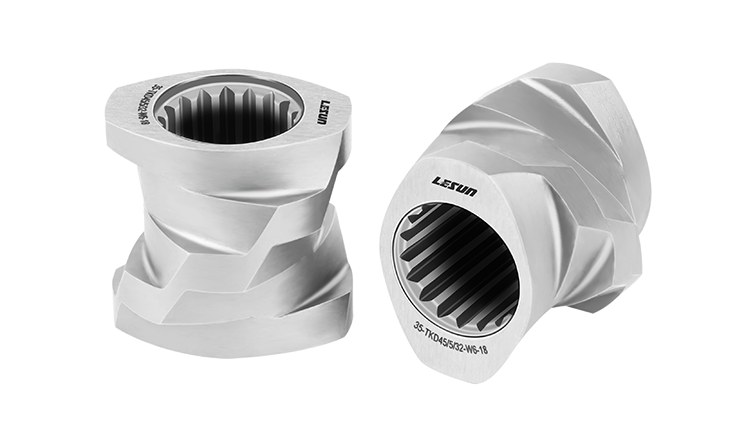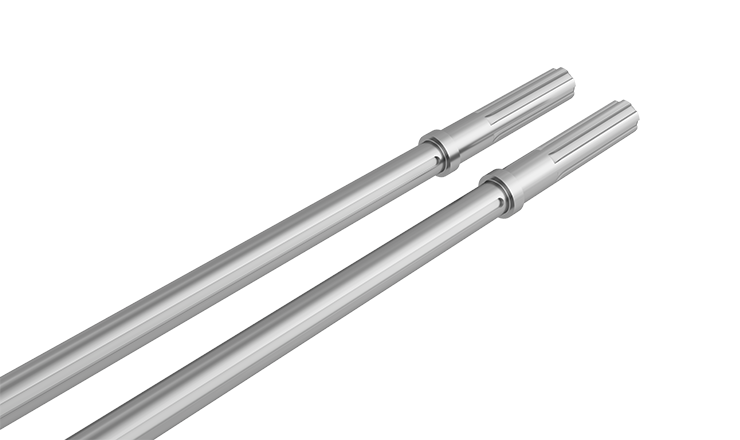
Plastic compounding facilities operate under intense production schedules and challenging processing conditions. Formulations containing heavy concentrations of mineral fillers, glass fiber reinforcement, or flame retardants exert massive wear on internal processing hardware. Over time, abrasive friction erodes screw elements, degrades barrel liners, and damages drive shaft splines. When critical components reach their operational wear limits, compounding lines experience severe pressure fluctuations and melt quality degradation. Therefore, engineering and procurement teams must regularly evaluate prospective Twin-Screw Extruder Parts Suppliers to secure high-performance replacement inventory before catastrophic failures occur.
Sourcing replacement components solely on initial purchase price presents substantial operational risks. Substandard parts frequently fail prematurely, causing severe barrel galling, element seizure, or shaft snapping under high mechanical torque. Consequently, unexpected downtime can quickly cost processors tens of thousands of dollars per hour in lost output. Establishing a systematic evaluation framework helps compounding companies distinguish qualified engineering partners from basic machine shops. A thorough auditing process protects production continuity, preserves equipment lifespan, and optimizes the total cost of ownership.
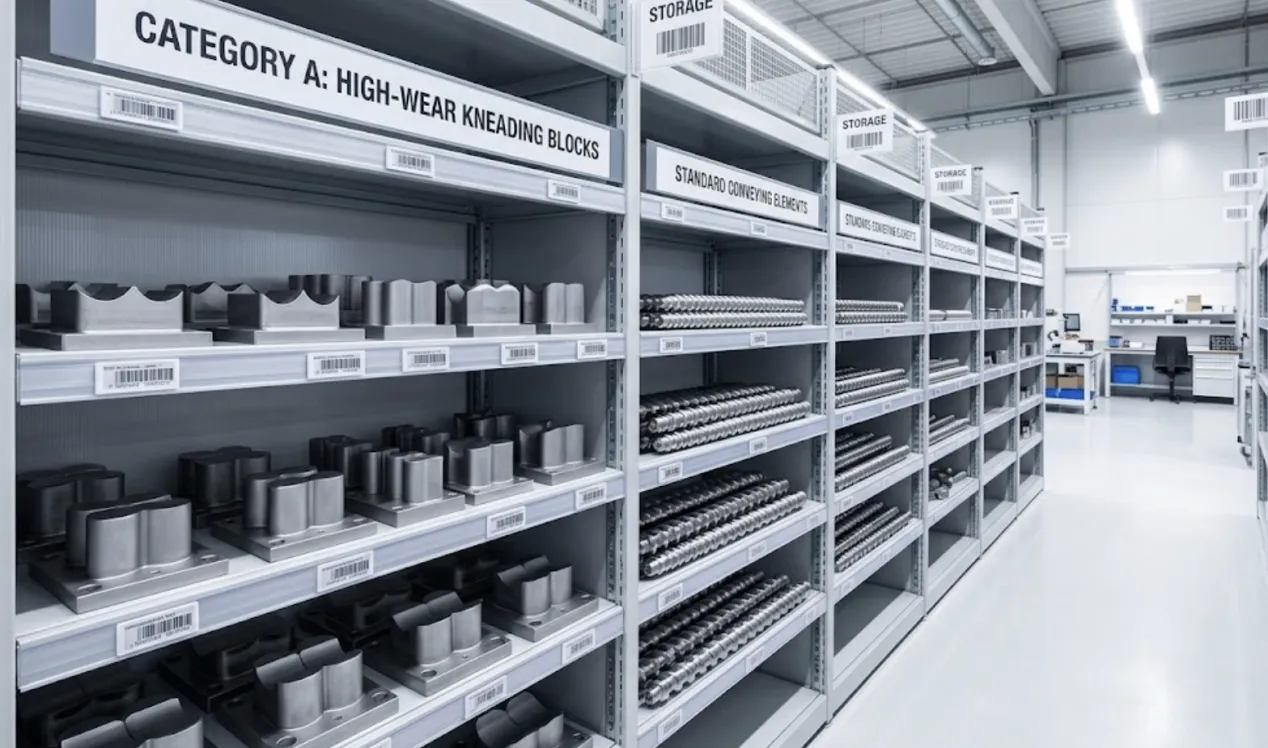
Many replacement parts manufacturers claim full compatibility with major extrusion platforms. However, true original equipment manufacturer (OEM) compatibility requires much more than simply matching outer diameters or axial lengths. In twin-screw compounding lines, screw elements must intermesh with micron-level precision to maintain self-cleaning actions and precise shear rates. For example, single-flighted conveying screw elements require exact flight profiles to ensure positive displacement without inducing localized thermal spikes or mechanical contact against adjacent elements.
Authentic OEM compatibility rests upon three distinct engineering pillars: dimensional tolerance precision, dynamic torque transmission, and process fluid dynamics. First, element-to-element and element-to-barrel wall clearances must precisely mirror original design parameters. Second, internal spline geometries on drive shafts must transmit massive torque loads evenly without causing angular backlash. Third, replacement parts must preserve exact pitch transitions to maintain uniform melt pressure and dispersive mixing quality. A fully compatible replacement supplier maintains deep technical familiarity across dozens of major global extruder machinery platforms, ensuring seamless drop-in replacement without line modifications.
Procurement managers and process engineers can apply a structured five-point technical audit checklist when evaluating alternative component vendors:
First, inspect drawing tolerances and precision machining standards. Qualified manufacturers utilize multi-axis CNC machine tools to produce complex element geometries with tight dimensional tolerances. Furthermore, engineering teams should review legacy drawings to correct stress concentration points rather than blindly copying worn sample elements.
Second, analyze material science and alloy selection expertise. Processing abrasive compounds requires specialized metallurgical grades. While standard nitriding steel like 38CrMoAl serves general applications, highly filled formulations demand premium tool steels or advanced Powder Metallurgy Hot Isostatic Pressing (PM-HIP) alloys. A capable supplier matches specific wear mechanisms with appropriate alloy grades.
Third, audit heat treatment integrity and surface hardness profiles. Proper vacuum heat treatment creates a uniform volumetric hardness ranging between HRC 58 and HRC 64. Crucially, the core of high-torque drive shafts must retain high impact toughness to prevent catastrophic shear failure under sudden torque overload.
Fourth, request comprehensive inspection documentation and quality assurance reports. Reliable manufacturers provide raw material mill certificates, optical emission spectrometry reports, and non-destructive ultrasonic flaw inspection logs. Specialized component suppliers like Lesun Screw (Nanjing Lesun Screw Co.,Ltd.) utilize automated Coordinate Measuring Machine (CMM) systems to verify dimensional compliance before shipping.
Fifth, establish an on-line pilot testing and fitment protocol. Evaluators should conduct dry-fit checks on drive shafts to verify axial alignment. Subsequent 500-hour production trials allow engineers to monitor melt pressure stability, motor load consistency, and post-trial wear profiles.
Engineering teams must independently verify supplier claims through rigorous technical auditing. Many prospective vendors rely on basic manual calipers and workshop micrometers, which cannot accurately measure complex involute splines or 3D mixing flight radiuses. In contrast, advanced manufacturing facilities utilize optical and tactile ZEISS CMM systems to generate precise three-dimensional point clouds.
Process engineers should watch for critical red flags during vendor audits. Vague material certificates lacking chemical element breakdowns indicate inconsistent raw material sourcing. Similarly, suppliers who cannot provide heat treatment hardness depth logs may deliver parts prone to early surface delamination. Furthermore, vendors who fail to inspect internal drive shaft spline tolerances often produce components that cause severe drive line vibration and premature shaft fatigue.
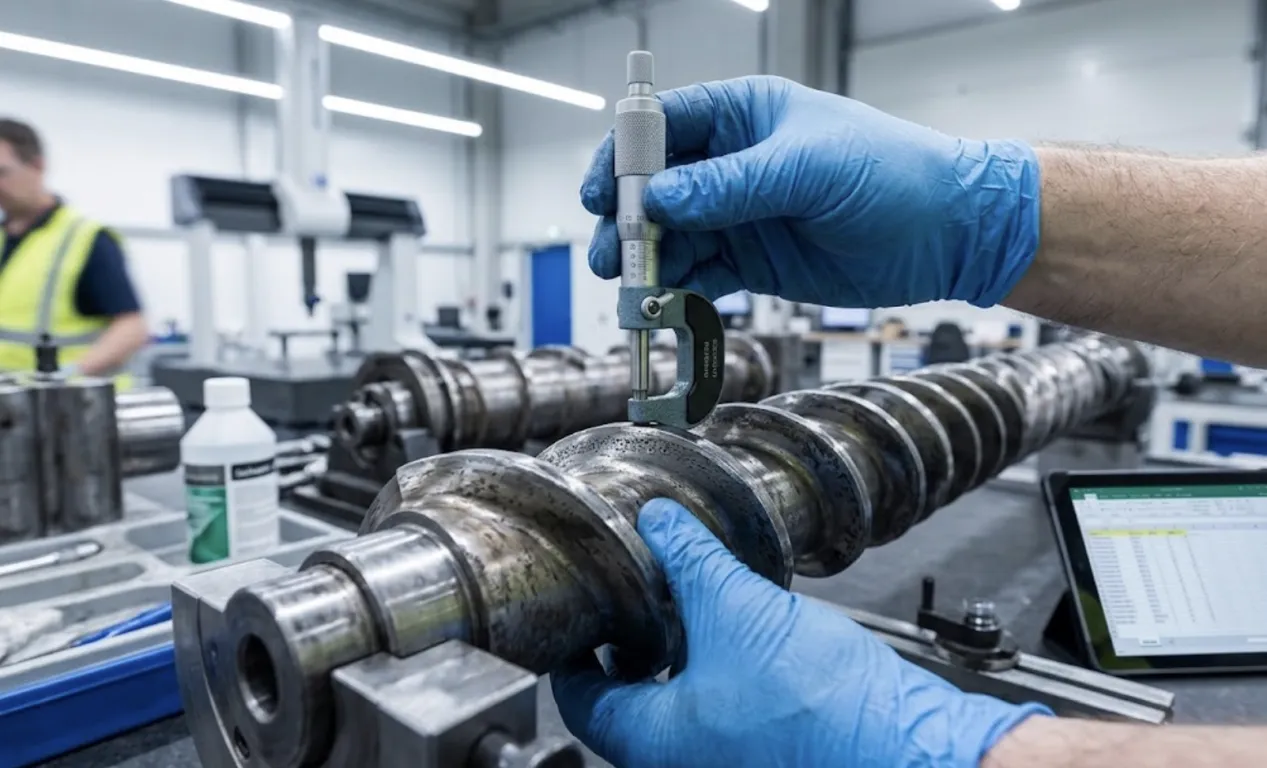
Technical manufacturing capability represents only one aspect of a successful supplier partnership. Long-term operational reliability also requires robust lifecycle technical support and flexible supply chain management. Leading spare parts manufacturers go beyond component fabrication by offering wear part failure analysis, reverse engineering assistance, and custom process troubleshooting.
Digital database management significantly accelerates replacement procurement for high-capacity compounding operations. Specialized engineering firms establish dedicated customer parts databases that store customized bill-of-materials records and CAD drawings for every client machine line. Consequently, this digital architecture enables rapid re-ordering and eliminates technical misalignment. Furthermore, vendor-managed inventory programs and emergency fast-track machining channels can drastically reduce replacement lead times from four months to under three weeks. This operational agility minimizes capital tied up in static safety stock while protecting facilities against unexpected production line downtime.
Evaluating twin-screw extruder spare parts suppliers requires a comprehensive technical approach that extends far beyond price comparisons. By examining precision manufacturing tolerances, metallurgical integrity, rigorous heat treatment protocols, and verifiable quality documentation, plastic compounding plants can reliably qualify high-performance alternative vendors. Authentic OEM compatibility guarantees seamless mechanical fitment, protects drive components from excessive wear, and maintains optimal melt quality across demanding production runs.
Adopting a standardized vendor evaluation framework empowers processing companies to build resilient, cost-effective supply chains. Specialized component manufacturers like Lesun Screw demonstrate how combining advanced production technology with comprehensive technical support delivers long-term manufacturing value. Establishing audited relationships with qualified alternative suppliers ensures continuous operational stability and lowers total operating expenditure for global compounding lines.
To explore complete twin-screw extruder component solutions and engineering capabilities, visit https://www.lesunscrew.com/.
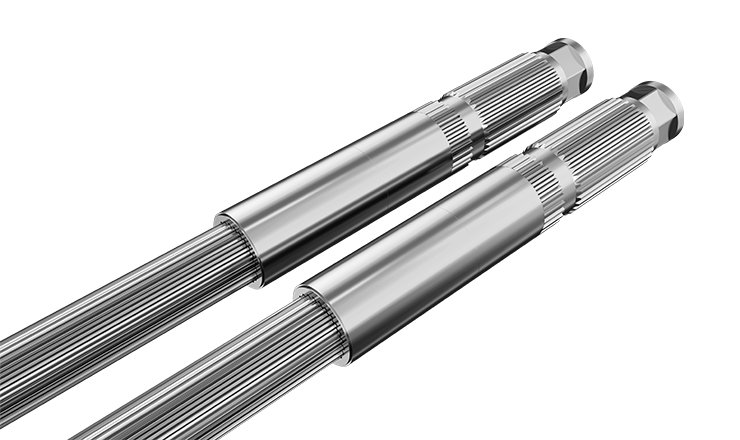
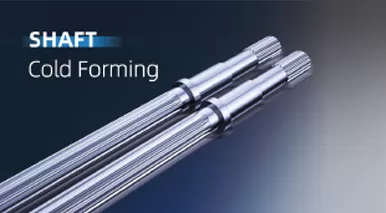
Cold-Forming high-torque shaft with improved strength and fatigue resistance for demanding extrusion conditions.
Best suited for:
High torque extrusion systems
High filler compounding
Continuous high-load production
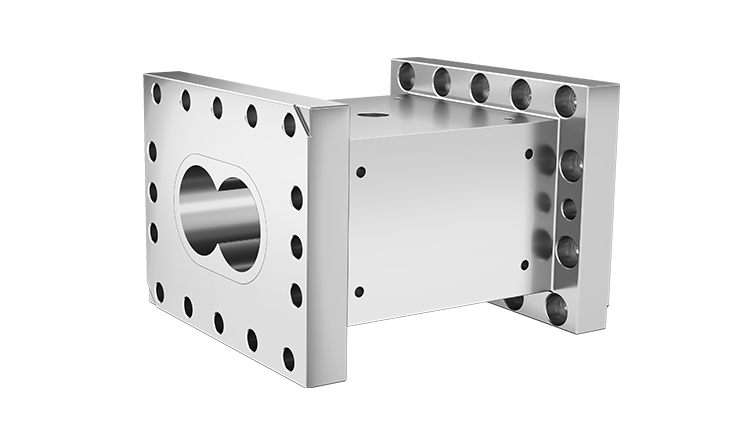
Liquid Injection Barrel | Twin Screw Extruder Dosing Barrel
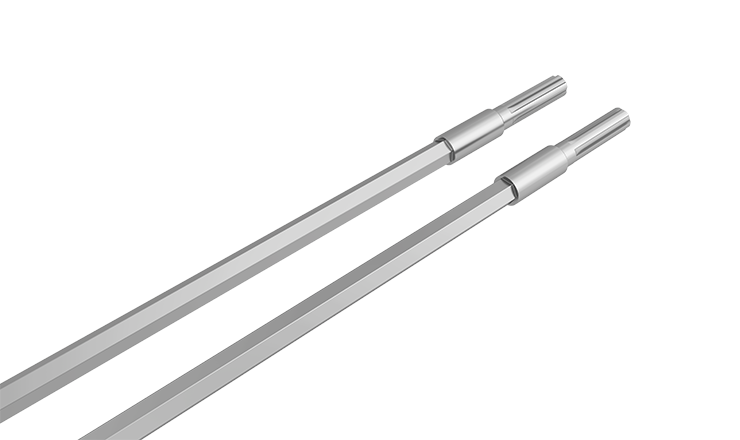
Six-sided geometry enabling uniform torque transfer and rapid screw element replacement.
Best suited for:
Powder coating
Frequent material changes
Fast screw configuration changes
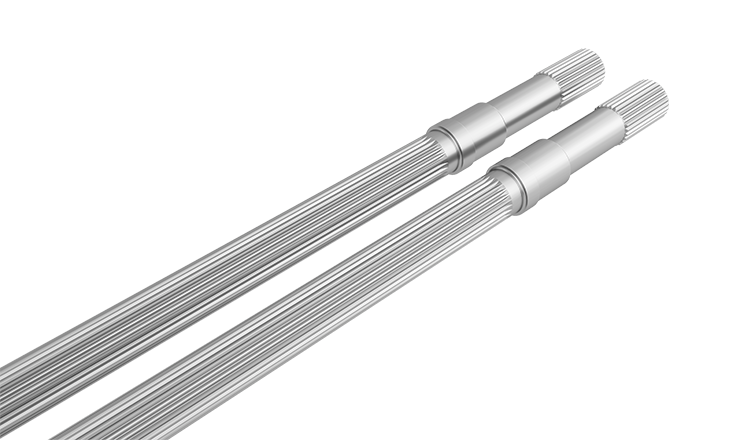
Precision involute spline ensuring high torque transmission with accurate centering and load distribution.
Best suited for:
High torque extrusion
Engineering plastics
Masterbatch production
CKE elements combine conveying and mixing functions, providing gentle material exchange with low shear and reduced energy consumption.
Best suited for:
Heat-sensitive materials
Low-shear compounding processes
Applications requiring stable conveying with mild mixing
Simple keyed design for basic torque transmission in low-load extrusion systems.
Best suited for:
Low torque applications
Legacy extruders
PVC processing

 Knowledge >
 Product Catalog Download >

 Who are we? >
To make it more convenient for you to obtain product quotations, please check and confirm the following information in the box below.