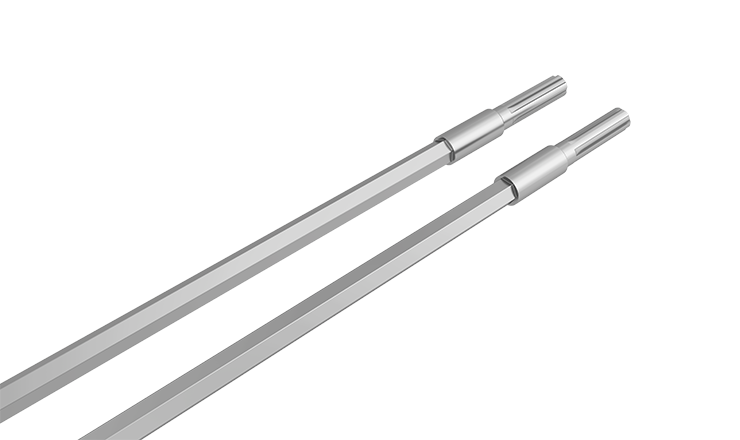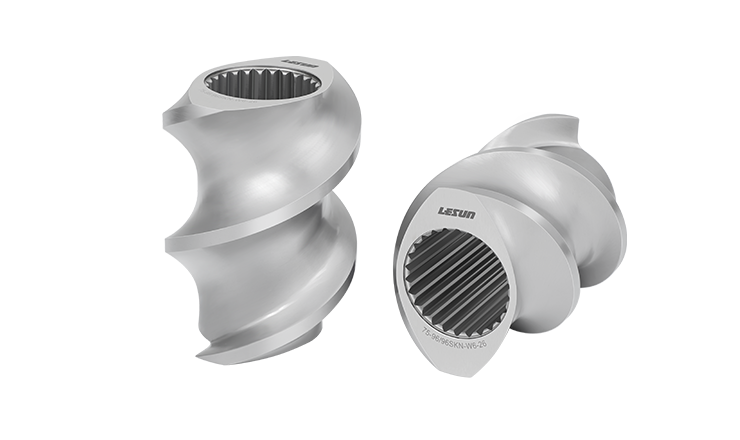
High-capacity twin-screw extrusion systems run continuously under intense mechanical loads to process complex polymer formulations. Modern compounding lines frequently handle highly viscous engineering thermoplastics alongside heavy loadings of glass fiber or mineral fillers like calcium carbonate and talc. At the same time, twin-screw extruder OEMs have steadily raised the specific torque rating (Nm/cm³) of new machine platforms to push higher throughput and processing efficiency, placing even greater demand on the drive shaft to transmit more torque without any increase in shaft diameter. These demanding production environments require extruders to transfer maximum rotational power while maintaining operational stability. At the center of this power transmission sits the drive shaft, which delivers motor torque to kneading elements down the processing section. To withstand severe dynamic stress without failure, processing plants increasingly rely on precision-engineered Cold-Formed Screw Shafts to maintain peak mechanical efficiency. Without a sufficiently strong core shaft, high-load extrusion lines risk severe operational disruptions during peak production cycles.
Drive shafts must operate within strict physical boundaries inside twin-screw extruders. Fixed barrel center-to-center dimensions limit the maximum outer diameter of the shaft. Consequently, engineering teams cannot simply enlarge shaft dimensions to accommodate higher torque requirements.When processing highly-filled formulations, inadequate shaft strength leads to localized elastic deformation, spline tooth shearing, or fatigue failure. An unexpected shaft rupture inside the extruder barrel causes immediate mechanical jamming. This catastrophic failure damages expensive screw elements and surrounding barrel liners, causing lengthy unscheduled maintenance. Understanding the metallurgical factors governing torque transmission helps technical teams source components delivering long-term reliability.
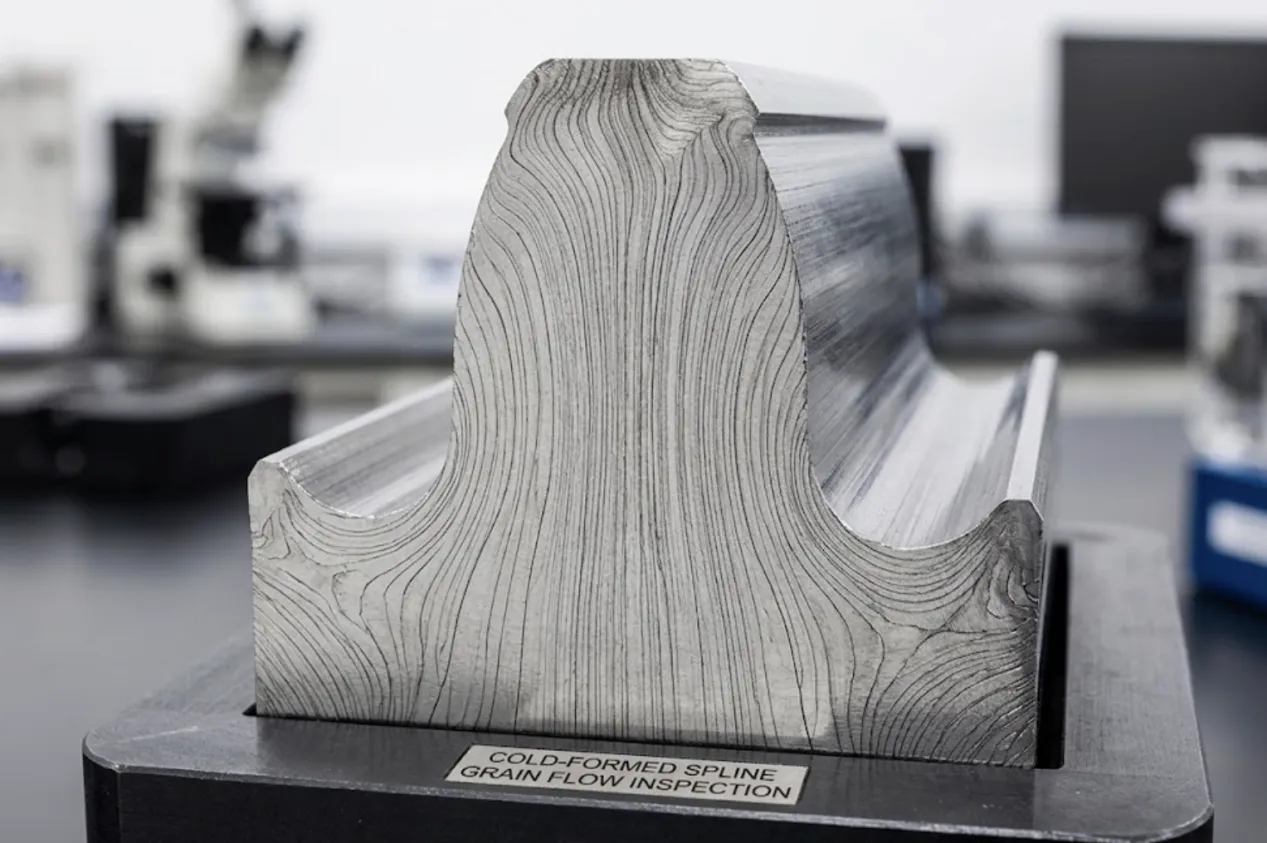
Component manufacturing methods directly determine how drive shafts respond to continuous torsional loads. Historically, machine shops produced spline drive shafts through subtractive metalworking processes like gear hobbing, milling, or shaping. Subtractive machining removes steel from a solid cylindrical bar to cut out the required spline profile. Although subtractive methods create precise spline shapes, cutting tools inevitably slice across the natural metal grain flow lines within the steel alloy. Severing these internal structural fibers leaves open grain ends exposed along the root of every spline tooth. Consequently, cut spline roots act as internal stress risers where micro-cracks form under cyclic mechanical loading.
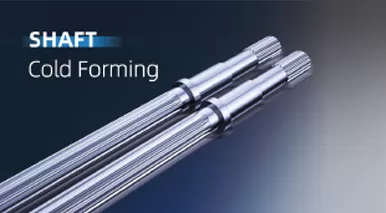
Cold forming technology replaces metal cutting with controlled plastic deformation under high pressure. Instead of removing material, cold spline rolling utilizes high-precision rotating dies to press spline geometries directly into the shaft blank at ambient temperatures. Steel molecules flow plastically along the contours of the rolling dies during processing. This forced plastic displacement aligns internal metal grain flow lines seamlessly with the final spline profile. Because cold forming preserves uninterrupted grain fibers across tooth roots and crests, the completed shaft gains superior structural integrity. Unbroken grain structures significantly increase the localized yield strength and shear capacity of every individual spline tooth.
Beyond preserving grain flow continuity, cold forming generates significant work-hardening effects across the component surface layer. As high-pressure rolling dies compress the alloy steel, intense plastic strain compacts the outer metallic crystal lattice. This mechanical strain hardening elevates surface hardness naturally without introducing thermal embrittlement into the core matrix. Additionally, cold rolling introduces beneficial compressive residual stresses into tooth root fillets. These compressive forces actively counteract the tensile operational stresses generated during heavy motor rotation. By suppressing micro-crack initiation and slowing fatigue propagation, cold-formed drive components withstand significantly higher cyclic loading over extended operating runs.
In high-output twin-screw compounding operations, torque transmission efficiency depends on uniform load distribution across the spline interface. Subtractive machining frequently leaves tiny tool marks along spline flanks, causing point-to-point stress concentration. Under heavy rotational loads, uneven contact points cause rapid fretting corrosion, tooth distortion, and localized metal galling. Conversely, cold spline rolling functions as a continuous burnishing process that achieves mirror-like surface finishes between Ra 0.4 and Ra 0.8 micrometers. Smooth spline flanks maximize physical contact area with internal element splines, distributing drive torque evenly across all engaging teeth and eliminating dangerous stress spikes.
Compounding abrasive mineral-filled polyolefins or tough engineering polymers subjects drive systems to frequent torque surges and thermal shifts. For instance, processing polypropylene loaded with seventy percent calcium carbonate or extruding polyamide reinforced with long glass fibers demands sustained high-torque transmission. Unplanned feed surges, cold resin starts, or temporary melt temperature drops create sudden mechanical resistance along the screw assembly. Under these hostile conditions, traditional machined shafts often suffer sudden brittle fracture along spline roots. Severed grain structures cannot absorb extreme transient peak loads, causing immediate shaft shearing during high-speed production.
Cold-formed drive shafts demonstrate exceptional mechanical resilience when handling sudden torque spikes in high-load production environments. Continuous grain flow lines and work-hardened outer skin absorb heavy shock loads without undergoing permanent deformation or cracking. Industrial processing plants using cold-rolled drive shafts report significant reductions in shaft replacement frequency and unexpected drive train failures. Eliminating structural stress concentration points allows operators to run extruders safely at higher fill degrees and elevated motor output. Consequently, processing facilities increase hourly production throughput while lowering total operational expenditure across demanding production campaigns.
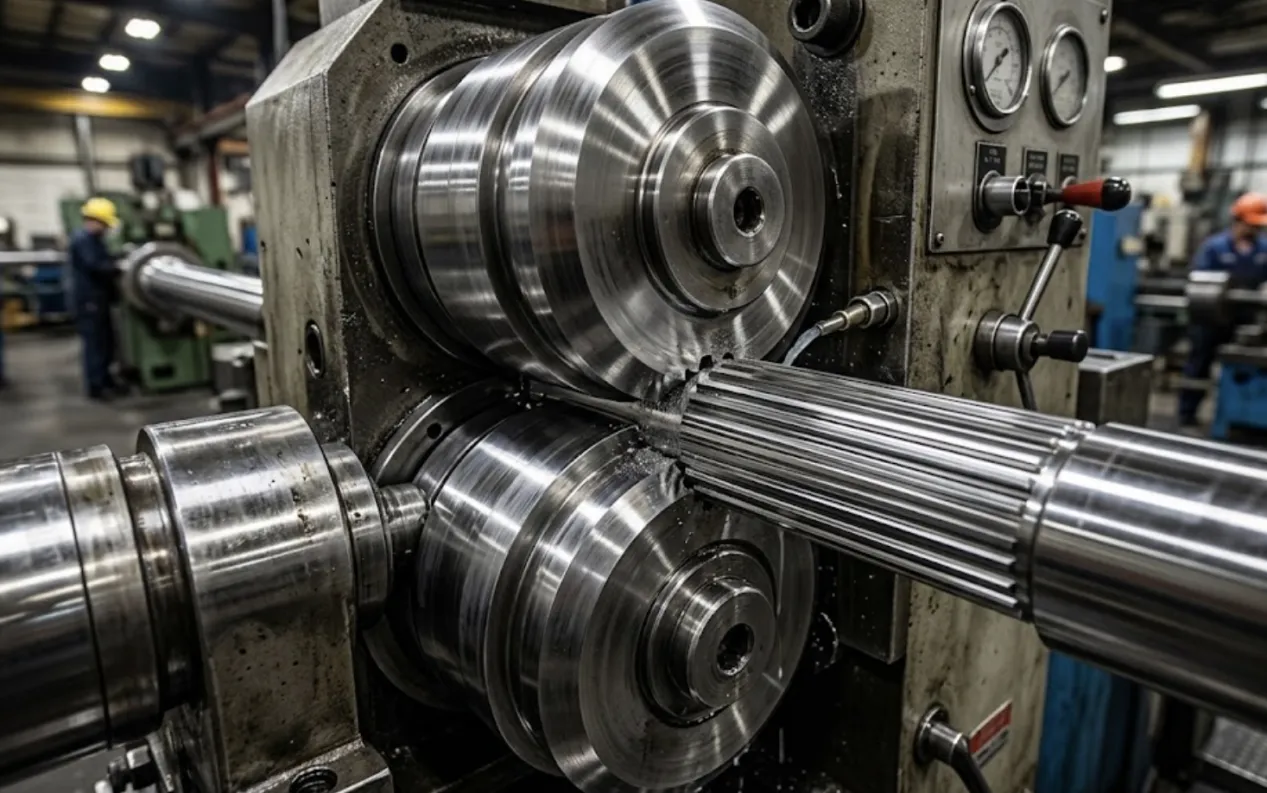
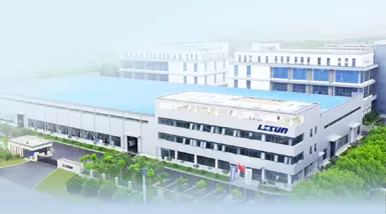
Manufacturing precision cold-formed shafts requires sophisticated machinery, deep metallurgical expertise, and strict thermal processing controls. Leading component specialist Lesun Screw (Nanjing Lesun Screw Co.,Ltd.) applies state-of-the-art cold-rolling technology to high-alloy raw materials, engineering custom drive shafts that maximize torque density and fatigue life. By carefully controlling raw material chemistry and deformation ratios, technical teams optimize core toughness while delivering durable outer surfaces. Furthermore, Lesun Screw executes specialized stress-relief heat treatments and precision centerless grinding to ensure absolute shaft straightness and tight dimensional tolerances across long component lengths.
Providing long-term lifecycle support requires combining advanced manufacturing capabilities with thorough quality verification protocols. To ensure flawless field performance, Nanjing Lesun Screw Co.,Ltd. subjects finished shafts to comprehensive non-destructive testing, including ultrasonic flaw detection and dye penetrant (PT) inspection. Advanced coordinate measuring machines verify spline pitch concentricity, tooth profile accuracy, and overall straightness runout. By maintaining a comprehensive technical database of global extruder specifications, Lesun Screw supplies fully compatible high-torque replacement shafts for major European, Asian, and North American extrusion machinery. Establishing partnerships with experienced engineering suppliers helps compounding facilities safeguard operational reliability and maintain continuous productivity.
To explore high-torque screw shaft specifications and engineering capabilities, visit https://www.lesunscrew.com/.
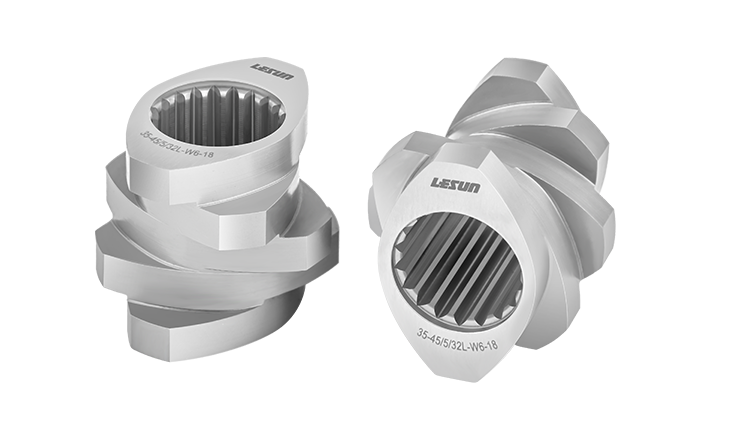
Reverse kneading elements introduce backflow and pressure build-up, increasing residence time and enhancing mixing intensity.
Best suited for:
Before venting zones
Degassing preparation
High mixing demand sections
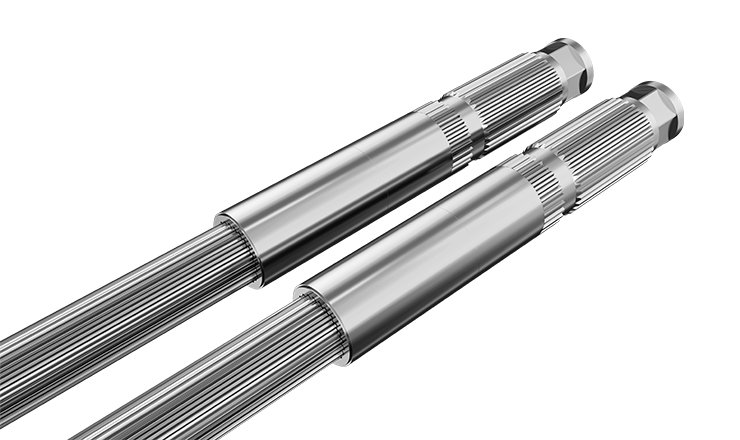
Cold-Forming high-torque shaft with improved strength and fatigue resistance for demanding extrusion conditions.
Best suited for:
High torque extrusion systems
High filler compounding
Continuous high-load production
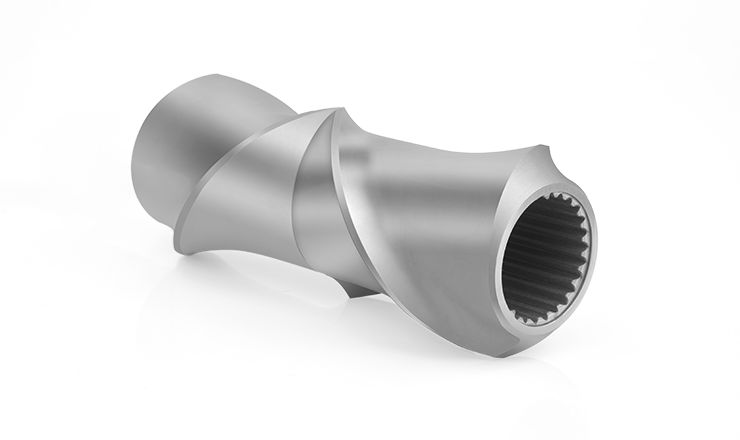
Stretching elements, also called S-type elements, improve material exchange and distributive mixing in partially melted zones.
Best suited for:
Semi-plasticized material zones
Improved dispersion
Gentle mixing processes
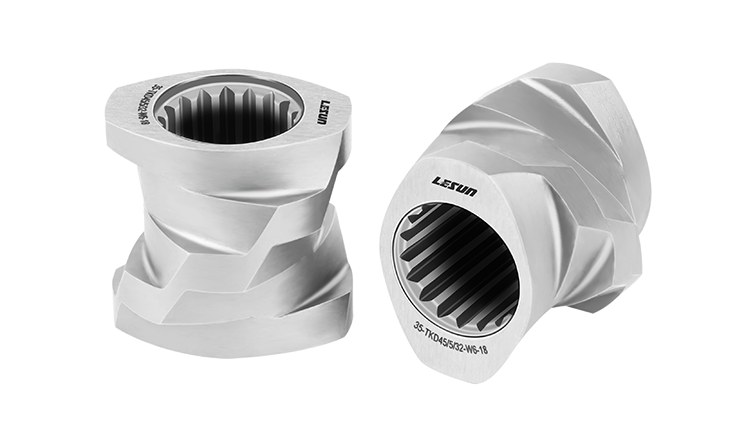
CKE elements combine conveying and mixing functions, providing gentle material exchange with low shear and reduced energy consumption.
Best suited for:
Heat-sensitive materials
Low-shear compounding processes
Applications requiring stable conveying with mild mixing
Six-sided geometry enabling uniform torque transfer and rapid screw element replacement.
Best suited for:
Powder coating
Frequent material changes
Fast screw configuration changes
Transition elements are designed to connect different screw element geometries while minimizing dead zones and material retention.
Best suited for:
Transition between single and double flight elements
Connection between SK and standard conveying elements
Geometry change zones within complex screw configurations

 Knowledge >
 Product Catalog Download >
 Who are we? >
To make it more convenient for you to obtain product quotations, please check and confirm the following information in the box below.